What Is AP Style for a Press Release and How to Do It (Example and Structure)
Most press releases do not fail because the news is bad. They fail because the formatting screams 'amateur' before the editor even reads the first paragraph.

In my experience, founders obsess over the perfect headline but ignore the structural mechanics of their pitch. You can have a breakthrough product, but if you send an editor a release full of random capitalizations and botched datelines, it hits the trash bin instantly. Journalists are chronically overworked. They do not have the time or patience to rewrite your copy to match their publication's standards. By writing in Associated Press format, you remove friction, prove you understand their world, and drastically increase your chances of getting published. Here is how to format your press release so it actually gets read and syndicated.
The Cost of Looking Like an Amateur
Most founders operate under an expensive illusion. They believe media pickup is purely about the story and the pitch.
It is not. Media pickup is about reducing the operational workload for the journalist on the other end.
If an editor has to spend ten minutes correcting your numbered lists and fixing your date formats, they will simply pass. The Associated Press Stylebook is the foundational operating language of modern newsrooms.
Ignoring it signals that you are an outsider who does not understand the basic rules of the game.

The Core Mechanics of Newsroom Language
Let us strip away the noise. This standard is simply a hard-coded rulebook for grammar, spelling, punctuation, and structural formatting.
Instead of wondering whether to spell out the number twelve or use the numeral 12, this framework gives you a binary answer.
Behind the scenes, wire platforms and press release distribution services scan your submission for these exact formatting standards.
If your piece already matches the layout of a published news article, the path to syndication is virtually frictionless.
The Uncomfortable Truth About Brand Vanity
Here is what actually happens on the ground. Ninety percent of small businesses stall their PR efforts because they let ego dictate their formatting.
They capitalize random nouns because they think their 'Proprietary Software' deserves special treatment. They use exclamation points to manufacture excitement.
This is a fatal mistake. Journalists despise marketing fluff and alphabet-soup acronyms.
Your goal is not to win a creative writing contest. Your goal is to deliver clean, factual, ready-to-publish copy.
The Tactical Blueprint for Document Structure
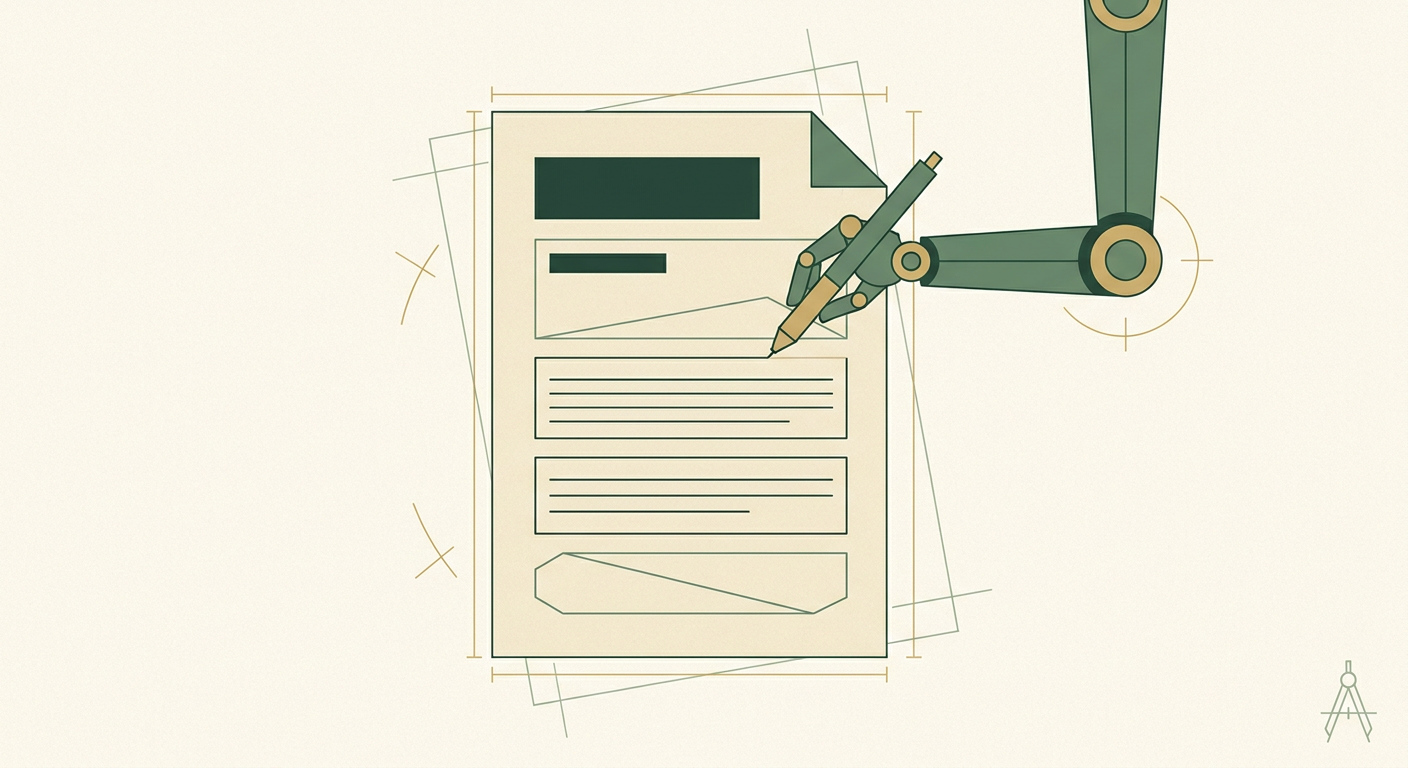
If you want asymmetric leverage in your media strategy, structure your release exactly like a traditional news story.
Follow this standard framework to ensure your document is structurally sound before you pitch a single outlet. If you struggle to maintain neutrality, professional press release writing services can help you strip out the sales pitch entirely.
- The Headline: Keep it factual and in title case. Capitalize the first word and all major words.
- The Dateline: This is the opening line of your body paragraph. Format it as: CITY in all caps, followed by the state abbreviation, and the date in parentheses. Example: AUSTIN, Texas (April 15, 2026) —
- The Lead Paragraph: Answer who, what, when, where, and why immediately. Do not bury the lede.
- The Quote: Include one human, perspective-driven quote from a key executive.
- The Boilerplate: End with a short, factual summary about the company and your media contact details.
The Non-Negotiable Execution Matrix
To speed up your execution, bookmark these hard formatting rules.
I use this exact checklist before deploying any campaign to ensure we never get rejected for technical errors. If you are ever unsure of a term, check our PR glossary of terms to verify standard industry usage.
- Numbers: Always spell out one through nine. Use numerals for 10 and above.
- The Exceptions: Always use numerals for ages (34-year-old), percentages (6 percent), and money ($5 million).
- Dates: Never use ordinal suffixes like 'st' or 'th'. Write 'April 15', not 'April 15th'.
- Months: Abbreviate specific months (Jan., Feb., Aug., Sept., Oct., Nov., Dec.) only when paired with a specific date. Spell out March through July.
- Titles: Capitalize formal job titles only when they directly precede a name (e.g., CEO Jane Doe). Keep them lowercase if they follow the name.
Compounding Your Media Assets
Writing in this standardized format is not a one-off administrative task. It is a compounding business asset.
Once you master this layout, you can systematize your internal communications, produce cleaner announcements, and build a press page that reporters actually respect.
Stop making journalists work hard to share your news. Standardize your output, remove the friction, and watch your media leverage multiply.
To see how a fully optimized PR engine operates in the real world, explore our about page to learn how we execute this exact playbook at scale.
Key takeaways
Mastering AP style is a non-negotiable prerequisite for media coverage. By strictly adhering to standard rules for datelines, numbers, and capitalization, you eliminate friction for journalists, bypass gatekeepers, and turn your press releases into highly leverageable, ready-to-publish assets.
See distribution plansFrequently asked questions
What is a dateline in an AP style press release?
A dateline is the opening text of your release's first paragraph. It states the city in all capital letters, the state abbreviation, and the date in parentheses, followed by an em dash. It tells the reporter exactly where and when the news originated.
How do you format dates according to AP guidelines?
Use the month followed by the numeral for the day. Never use suffixes like 'th', 'nd', or 'rd'. Additionally, abbreviate months with more than five letters when they are accompanied by a specific date.
Do I need to capitalize job titles in my press release?
Only capitalize a formal job title if it appears directly before the person's name. If the professional title is placed after the name or used as a standalone descriptor, it must remain lowercase.
How should I write numbers to follow proper industry formatting?
The general rule is to spell out numbers one through nine and use numerals for 10 and above. However, you must always use numerals for ages, percentages, monetary values, and exact dimensions, regardless of how small the number is.
Why do wire distribution services require strict AP formatting?
Wire services act as syndication hubs for thousands of newsrooms. Because newspapers and digital outlets natively operate on this framework, wire platforms enforce it to ensure the content they distribute is immediately usable without requiring heavy editorial revisions.
Keep reading

5 min read
How to Start a Press Release Distribution Agency: Requirements, Profit Margins, and Automation
Learn how to build a successful press release distribution agency by focusing on managed outcomes, leveraging white-label infrastructure, understanding true profit margins, and automating client onboarding without sacrificing editorial quality.
15 September 2026
6 min read
How to Use AI to Write a Press Release (+ Best Prompts)
Discover how to draft professional corporate announcements using the latest generative AI. This guide covers fact sheet preparation, tool selection, advanced prompting techniques, and strict editing rules to ensure your news is ready for journalists.
15 September 2026
5 min read
5 Best Press Release Distribution Services (and Why)
Discover the top news distribution platforms available today. This comprehensive guide reviews current pricing, network reach, and practical business advantages for each provider, helping you confidently select the best partner to secure measurable media coverage for your next corporate announcement.
15 September 2026Join the conversation
Comments are read by our editors before they appear on the page.